
-
How to Choose a Ceiling for a Custom Home
Design Your Custom Home Plan in Toronto, ON
When designing a custom home in Toronto, every detail matters. From the foundation to the finishes, each choice you make contributes to the final look and feel of your space. While walls and floors often get the most attention, the ceiling plays a crucial role in defining a room’s character, spaciousness, and style. A well-designed ceiling can transform a standard room into a breathtaking space. Choosing the right ceiling for your custom home plans is about more than just aesthetics. It’s about creating an environment that reflects your vision and enhances your daily life. The height, shape, and texture of your ceiling can influence everything from the lighting to the acoustics of a room. For homeowners in Toronto, working with experienced custom home builders like Modular Home Additions ensures these architectural elements are thoughtfully integrated into the overall design.

Why Ceiling Design Matters in Custom Homes
In the world of custom home design, ceilings are a powerful tool. They can make a small room feel open and airy or a large space feel intimate and cozy. A thoughtfully chosen ceiling design can direct natural light, create architectural interest, and add significant value to your property. Unlike standard homes, where ceilings are often flat and unremarkable, custom homes offer the freedom to get creative. This is your chance to add a dramatic focal point or a subtle touch of elegance that ties the entire room together. For those developing custom home plans, considering the ceiling early in the design process is essential for achieving a cohesive and impactful final result.
Types of Ceilings for Custom Homes
When working with custom home builders, you’ll discover a wide array of ceiling styles to choose from. Each type offers a unique aesthetic and can dramatically alter the ambiance of a room. Here are some of the most popular options for custom homes:
- Conventional Ceiling: This is the most common type of ceiling, typically built at a standard height of eight or nine feet. While simple, it offers a clean and unobtrusive look that works well in most rooms. You can add interest with unique paint colors, light fixtures, or subtle textures.
- Vaulted Ceiling: Vaulted ceilings slope upward, following the roof’s pitch to create a high, open space. They are excellent for great rooms, master bedrooms, and entryways, adding a sense of grandeur and airiness. These ceilings make rooms feel larger and allow for bigger windows that let in more natural light.
- Cathedral Ceiling: Similar to a vaulted ceiling, a cathedral ceiling has two equal sloping sides that meet at a ridge in the middle of the room. This symmetrical design creates a dramatic, soaring effect that is perfect for large, open-concept living areas.
- Coffered Ceiling: This classic design features a series of recessed panels in a grid pattern. Coffered ceilings add a sense of luxury, depth, and architectural detail. They are often found in formal dining rooms, libraries, and living rooms, bringing a touch of traditional elegance to the space.
- Tray Ceiling: A tray ceiling, also known as a recessed ceiling, has a raised central section that is typically about a foot higher than the perimeter. This design adds height and dimension to a room without the dramatic pitch of a vaulted ceiling. It’s a popular choice for master bedrooms and dining areas, often highlighted with accent lighting or a distinctive paint color.
- Shed Ceiling: A shed ceiling is a single-sloped design that angles up toward one side of the room. It offers a modern, asymmetrical look that can add dynamic interest to a space. This style is often used in contemporary custom homes to create unique rooflines and interior spaces.
- Barrel Vault Ceiling: This design features a single, continuous arch spanning the entire length of the room, resembling the inside of a barrel. It creates a soft, flowing line that is ideal for hallways, wine cellars, or dining rooms, adding a sense of classic European architecture.
- Exposed Beam Ceiling: For a rustic or industrial aesthetic, consider leaving the structural beams of the ceiling exposed. This adds texture, character, and a sense of history to a room. It’s a popular choice in farmhouses, lofts, and modern industrial-style custom homes.
How to Choose the Right Ceiling for Your Home
Selecting the ideal ceiling involves striking a balance between your personal style and the practical considerations of your home’s design. As trusted custom home builders in the Toronto area, Modular Home Additions helps clients navigate these choices. Here are key factors to consider:
- Consider the Room’s Function: A grand cathedral ceiling might be perfect for a living room where you entertain guests, but a simple tray ceiling could create a more relaxing atmosphere in a bedroom. Consider how you utilize each space and the mood you aim to create.
- Think About Proportions: The ceiling height and style should be proportionate to the size of the room. A very high vaulted ceiling in a small room might feel overwhelming, while a low, flat ceiling in a large great room could feel oppressive. Your builder can help you find the right balance.
- Factor in Your Home’s Architectural Style: The ceiling should complement the overall style of your home. A rustic home might look great with exposed beams, while a modern home could feature a sleek, minimalist shed ceiling. Consistency is key to a cohesive design.
- Budget and Complexity: More intricate designs, such as coffered or barrel vault ceilings, will be more expensive and complex to construct. Discuss your budget with your custom home builder to understand what options are feasible within your custom home plans.
- Lighting and Acoustics: The shape of your ceiling will affect how light and sound travel through the room. Vaulted ceilings can amplify sound and accommodate large, statement light fixtures, while coffered ceilings can help absorb sound and provide opportunities for recessed lighting.
Ceiling Materials and Finishes
Once you’ve chosen a ceiling type, the next step is to select the materials and finishes. These final touches will define the character of your fifth wall.
- Drywall: The most common and versatile material, drywall can be painted any color or finished with various textures. It’s a cost-effective option that works for almost any ceiling type.
- Wood: Wood planks, panels, or beams can add warmth, texture, and natural beauty to a space. Different types of wood, such as pine, cedar, or oak, offer distinct looks, ranging from rustic to refined.
- Metal: Tin tiles or corrugated metal panels can create a vintage or industrial feel. They are durable and add a unique reflective quality to the room.
- Plaster: Plaster can be molded into intricate designs, medallions, or cornices, adding a touch of historic charm and elegance. It’s a great option for creating detailed, decorative ceilings.
Build Your Dream Home from the Top Down
Selecting the right ceiling is a crucial step in crafting a custom home that is both aesthetically pleasing and functional. By carefully considering the style, proportions, and materials, you can design a space that truly reflects your personality and enhances your lifestyle. At Modular Home Additions, we specialize in helping Toronto residents bring their vision for custom homes to life. Our team of experienced custom home builders is dedicated to guiding you through every step of the design process, from the initial plans to the final finishes. Ready to start designing your dream home? Contact us today to discuss your custom home plans and discover how we can help you create a space that is uniquely yours.
-
6 Benefits of Working with a Custom Home Builder
Professional Custom Home Builders in Toronto, ON
Building your dream home in Toronto represents one of life’s most significant investments. While tract homes and existing properties offer convenience, they often come with compromises that leave homeowners settling for “good enough.” Custom home building from Modular Home Additions provides an alternative path—one that transforms your vision into reality while delivering long-term value that extends far beyond the initial construction phase. Working with experienced custom home builders means partnering with professionals who understand that your home should reflect your unique lifestyle, preferences, and needs. Rather than adapting your family to fit a predetermined floor plan, custom home building allows you to create spaces that work specifically for how you live, work, and play. The process involves more than simply choosing paint colors or fixtures. Custom home plans give you control over every aspect of your living space, from room layouts and architectural details to energy efficiency features and smart home integration. This level of personalization ensures that your investment delivers both immediate satisfaction and lasting value.

Benefits of Working With a Custom Home Builder
Custom home building offers advantages that extend well beyond aesthetic preferences. These benefits impact your daily life, financial future, and overall satisfaction with your living space. Here are the following aspects of custom building you can look forward to:
- Complete Design Control: Custom home builders provide unlimited flexibility in design choices. You decide room sizes, ceiling heights, window placement, and architectural styles. This control ensures every square foot serves a purpose that aligns with your family’s specific needs.
- Superior Quality Materials and Craftsmanship: Professional custom home builders typically use higher-grade materials and construction techniques compared to mass-produced housing. This attention to quality yields better durability, lower maintenance costs, and an enhanced property value over time.
- Energy Efficiency Integration: Modern custom home plans incorporate the latest energy-efficient technologies from the ground up. Custom builders can install advanced insulation, high-performance windows, and smart HVAC systems that significantly reduce utility costs while improving comfort.
- Personalized Living Spaces: Every family has unique space requirements. Custom home building enables you to create specialized areas, such as home offices, craft rooms, or entertainment spaces, that perfectly match your hobbies and work requirements.
- Long-term Cost Effectiveness: While initial costs may be higher, custom homes often provide better value through reduced maintenance needs, lower utility bills, and higher resale values. Quality construction and materials mean fewer repairs and replacements over the home’s lifetime.
- Future-Proofing Your Investment: Custom home builders can incorporate features that anticipate future needs, such as aging-in-place modifications, expandable floor plans, or pre-wiring for emerging technologies. This foresight protects your investment as circumstances change.
How to Hire the Right Builder for You
Selecting the right custom home builders requires careful research and evaluation. The builder you choose will significantly impact the success, timeline, and final results of your project. Below, we’ve outlined elements to consider when searching and hiring the right professional for your needs:
- Verify Licensing and Insurance: Ensure your prospective builder holds current licenses for your area and carries comprehensive insurance coverage. In Toronto, ON, builders should have proper municipal permits and Workers’ Compensation coverage to protect you from liability.
- Review Portfolio and References: Examine completed custom home projects that demonstrate the builder’s capabilities. Contact previous clients to discuss their experiences, including the quality of communication, adherence to timelines, and post-construction support.
- Assess Financial Stability: Select builders with a strong financial background and a proven business history. Request bank references and check the Better Business Bureau ratings to avoid potential project disruptions caused by financial difficulties.
- Evaluate Communication Style: Custom home building requires extensive collaboration. Select builders who listen carefully to your needs, clearly explain the processes, and maintain regular communication throughout the project timeline.
- Compare Detailed Proposals: Quality custom home builders provide comprehensive proposals that outline materials, timelines, and costs. Avoid contractors who provide vague estimates or seem reluctant to specify project details in writing.
- Understand Warranty Coverage: Reputable builders offer substantial warranties covering structural elements, systems, and workmanship. Clarify what’s included and how warranty issues will be resolved after project completion.
Customizable Ideas for Your Home
Custom home plans offer endless possibilities for personalization. These popular customization options can inspire your own unique design approach. Whether you want to maximize space or design unique structures for your home’s aesthetic, there are many ideas to choose from. Here are some ways you can enhance your home:
- Open Concept Living Areas: Modern custom homes often feature flowing spaces that connect kitchens, dining areas, and living rooms. This design promotes family interaction while providing flexibility for entertaining guests.
- Multi-Purpose Rooms: Design spaces that adapt to changing needs, such as rooms that function as both guest bedrooms and home offices, or dining areas that double as homework stations for children.
- Outdoor Living Integration: Custom home remodeling can seamlessly connect interior and exterior spaces through features like large sliding doors, covered patios, or outdoor kitchens that extend your living area.
- Smart Home Technology: Incorporate built-in technology infrastructure, including whole-home audio systems, automated lighting controls, security integration, and high-speed networking throughout the property.
- Storage Solutions: Custom builders can design creative storage options, such as built-in closet systems, under-stair storage, mudroom organization, and garage storage, that maximize space efficiency.
- Unique Architectural Details: Add character through custom millwork, exposed beams, specialty lighting, or distinctive exterior features that make your home stand out while reflecting your personal style.
- Energy-Efficient Features: Include solar panels, geothermal heating systems, high-performance windows, and advanced insulation that reduce environmental impact while lowering operating costs.
Partner With Modular Home Additions
Ready to transform your vision into reality? Modular Home Additions brings years of experience in custom home building to Toronto, ON, and the surrounding areas. Our team specializes in creating homes that strike a perfect balance between functionality, aesthetics, and value. We understand that custom home building represents a significant commitment of time and resources. That’s why we prioritize clear communication, transparent pricing, and meticulous attention to detail throughout every phase of our projects. From initial design consultations through final walk-throughs, we ensure your custom home exceeds expectations. Our comprehensive services include custom home plans, custom home remodeling, and complete construction management. Whether you’re building from scratch or expanding your existing property, we have the expertise and resources to deliver excellent results. Contact us today to schedule your consultation and discover how our custom home builders can bring your dream home to life. Let’s discuss your vision and explore the possibilities that custom home building offers for your family’s future.
-
Modular Homes VS Design and Build
Modular Homes vs Design and Build Homes
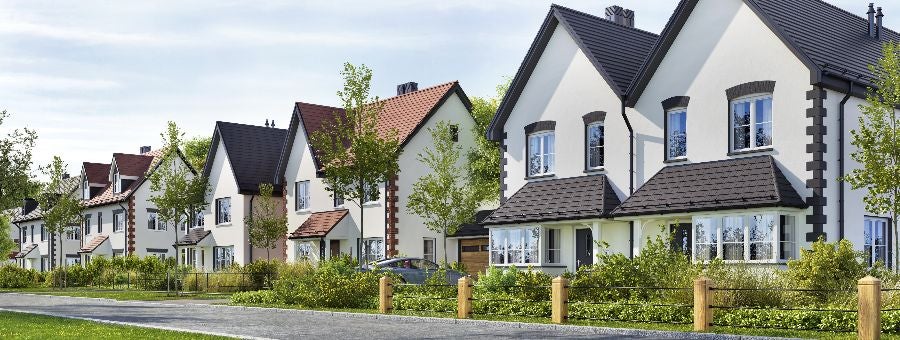
At Modular Home Additions, our focus is on low-stress builds, using a modular home concept that allows us to streamline our process. We know, though, that the idea of modular homes is a big controversial, and some believe this method to be inferior. Here, we dispute this idea, offering a comparison of modular homes vs design and build homes, to give an overview of each.
Our revolutionary modular concept ensures speed, flexibility, and control, allowing us to redefine the home-building experience for each client. From your initial consultation and design process to obtaining city permits and coordinating inspections and finishing touches, we handle every detail. Explore our available floor plans, witness our past renovations, and envision your ideal space.
What Are Modular Homes?
In simplest terms, modular homes are built using modular construction. Rather than being built from the ground up, onsite, modular homes are constructed inside a facility. To be more precise, modules, or sections of the home, are built in a facility, then transported to the property for assembly. Once assembled, a modular home is just like any other home, permanently situated on the property. People sometimes confuse modular homes with manufactured homes, also called mobile homes, but this is inaccurate. When the sections of a modular home are completed, they are transported via carrier, then moved onto a foundation and assembled into a home.
What is the Home Design and Build Process?
The home design and build process is the method with which most people are more familiar, in which a house is constructed on site, from the ground up. The term “Design and Build” is used to differentiate the process from traditional, “Design Bid Build” construction, in which the homeowner works with two primary contractors to build a home. In home design and build, there is only one firm, and this covers the entire physical construction of the build. It’s a collaborative process, in which the owner has just one point of contact, and the home is built to the owner’s specifications.
Key Benefits of Modular Homes vs Home Build and Design
As with any comparison, opinions vary on which process is better. There are, however, many benefits of modular home building.
- Because modular homes are built indoors, the construction environment is more stable. Think of a typical construction site. It’s vulnerable to the weather, which can damage materials and delay the process. Building materials, kept outside during construction, can warp or develop mould issues. Further, while reputable builders do their best to ensure quality craftsmanship, on-site construction is at risk of human error and issues with quality control. Compare that to a modular home facility, where every part of the process is carried out under expert oversight, and construction is held to rigorous engineering and quality standards. In a climate controlled environment, with no danger of interference by the weather, modular homes are built with precision and skill.
- The modular homes construction process is faster and more efficient. One of the biggest advantages of modular homes is the speed at which they come together. Because most of the house is pre-assembled the home will come together in about half the time of a design and build house. This is especially good news for homeowners having a modular addition built, as it means their lives will be disrupted for a much shorter amount of time. In fact, renovations using modular components can often be done in a matter of days.
- The energy efficiency of modular homes is typically better than traditionally built homes. Built in a controlled environment, with precision, modular homes are held to a very high standard. They adhere to the same regulations as design and built homes, and because they are inspected throughout the construction process, they often rise above the requirements. Modular homes are constructed with energy-efficient options included, while traditional homes often require upgrades post construction to reach the same level of energy efficiency.
- Modular construction is a more sustainable, eco-friendly process. When compared to traditional construction, modular home building is a much greener process. It produces less waste and fewer carbon emissions, and uses recyclable materials. In fact, there are even manufacturers that offer zero-emissions homes, produced in solar-powered factories. Compare that to a construction site, where vehicles and machinery produce emissions, and materials are often wasted, and it’s easy to see which one is more environmentally friendly.
For Custom, is Home Design and Build the Only Option?
Perhaps one of the biggest misconceptions about modular homes is that because they are built in a facility off site, this means they are mass produced and identical. In reality, modular homes are definitely customisable, and can be made to the homeowner’s specifications. Modular homes incorporate contemporary design, technological advancements, and high-end customisation options. If you chooses modular construction, you can personalise your new home, choosing finishes, fixtures, and floorplans that are perfectly tailored for you. Whatever your vision may be, it can be realised in a modular new home.
Ready for a Renovation? Explore Your Options with Modular Home Additions
At Modular Home Additions, we have over 20 years of experience in the construction industry. We specialize in modular home additions and renovations that allow your home to evolve alongside your lifestyle, gaining functionality and aesthetic appeal. We strive to make home renovations as quick and seamless as possible, and we work hard to exceed our clients’ expectations, providing comprehensive service from the first consultation to project completion. Based in Toronto, ON, we understand the unique architecture of this area, as well as the regulatory requirements to comply with local standards. We’re also committed to enhancing our community, with homes that complement the existing aesthetic and cause minimal disruption during renovations. Embarking on a renovation project can be daunting, and that is why it is so important to have the right partner in this process. We’ve earned our reputation as one of Canada’s premier construction companies, and we pride ourselves on our personalised, client-centric approach. To learn more about our modular home additions, or to schedule a consultation, contact us through our website.